Ask someone about their favorite teacher growing up. You might hear about a science experiment that went wrong or a classroom pet that escaped. Sooner or later, though, the conversation usually turns to how that teacher treated them. They remembered my name. They knew I loved to draw. They could tell when something was wrong. It’s funny what stays with us. It’s also a clue to the role of safe adults in child abuse prevention.
Children spend a lot of time figuring out who they can trust. They watch how adults react to mistakes and who takes their questions seriously. Sometimes an adult who doesn’t think they’re doing anything special becomes one of the most important people in a child’s life.
There’s Research Behind That Feeling
Harvard University’s Center on the Developing Child has studied why some children do well despite difficult circumstances. One finding comes up repeatedly: many of those children have at least one stable, supportive relationship with an adult. That person doesn’t have to be a parent. A teacher might notice that a normally outgoing student has stopped talking in class. An older cousin might be the person a child calls when they’re embarrassed to ask anyone else a question.
These relationships don’t make children immune to hardship. But they can give children a place to turn when life gets complicated. The CDC also identifies caring adults outside the family as a factor that can help protect against child abuse and neglect. That’s one reason prevention work isn’t limited to what happens inside a child’s home.
Trust Usually Starts With Something Small
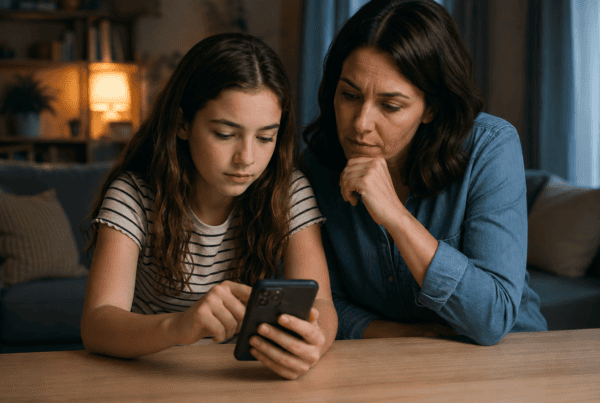
Think about the last time a child tried to tell you a story. Maybe you were cooking dinner while your phone rang. Imagine being a child at that moment. You’ve decided something is worth telling this adult, and now you’re waiting to see whether they’ll listen. You don’t have to drop everything every time a child speaks. But when you can give them your attention, do it.
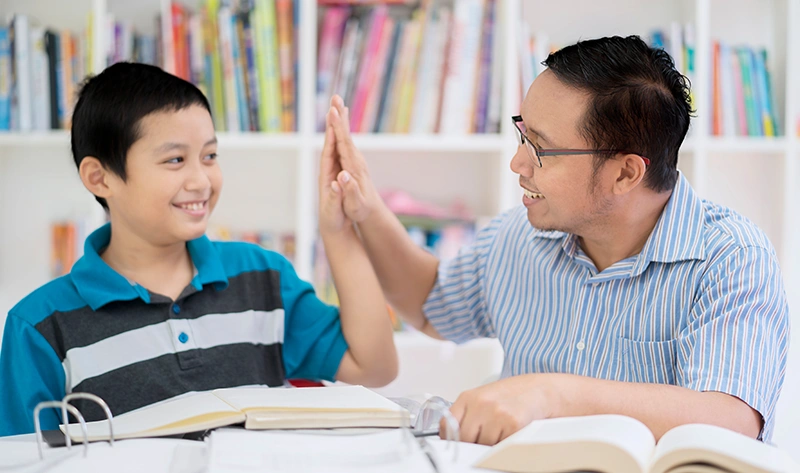
Ask about the friend they mentioned last week. Remember that they were nervous about a test. If you promise to come to their game, put it on your calendar. When they tell you something you don’t want to hear, try not to make your reaction the biggest part of the conversation. Children need to know they can come to an adult with a problem without immediately being met with anger or disbelief.
The Role of Safe Adults in Child Abuse Prevention
We often talk about prevention in terms of warning signs, and that work is necessary. However, there’s another side to prevention: helping children understand what it feels like to be treated well. Familiarity alone doesn’t make an adult safe; respecting boundaries matters more. A child who understands what respectful behavior looks like has an important reference point. A child who knows several safe adults has more than one place to ask for help. Of course, children should never be responsible for preventing abuse. Adults are.
You Might Already Be That Adult
Not everyone has children of their own. Not everyone works in a classroom or volunteers with a youth organization. But think about the children you know. There’s the neighbor’s daughter who chats with you when she sees you outside. Your friend’s son who always wants to show you what he’s building. The kid on your team who hangs around after practice to talk.
You don’t need to turn every interaction into a lesson. Just pay attention, be kind, and remember what matters to them. If a child comes to you with something serious, take it seriously. Years from now, you might be the adult that child remembers. Want to go further? Learn how Childhelp’s Speak Up Be Safe teaches children to find safe adults, and share it with a parent, teacher, or coach you know. And if you’re ever worried about a child, call or text the Childhelp National Child Abuse Hotline at 1-800-422-4453. You don’t need to be certain to reach out.