Recent news coverage of a 2023 incident involving reality star Taylor Frankie Paul resurfaced public conversation about domestic violence and its effects on children. The video reportedly shows Paul throwing metal bar stools during an altercation with her then-partner. One of the stools struck her young daughter, who was sitting on a nearby couch, and she can be heard crying as the violence continued. While high-profile cases draw attention, the reality is that exposure to domestic violence impacts millions of children every day, often out of the spotlight.
Many people think of child abuse only in terms of direct physical harm, neglect, or sexual abuse. But child welfare experts, such as Childhelp’s VP of Growth and Prevention Dr. Stacy Vaughan, recognize that living in a home where intimate partner violence, or domestic violence, occurs is harmful to children.
Some states explicitly address “domestic violence in presence of a child” in their laws, and child protection professionals often respond to these situations under existing child abuse and neglect statues.
The Real Impact on Children
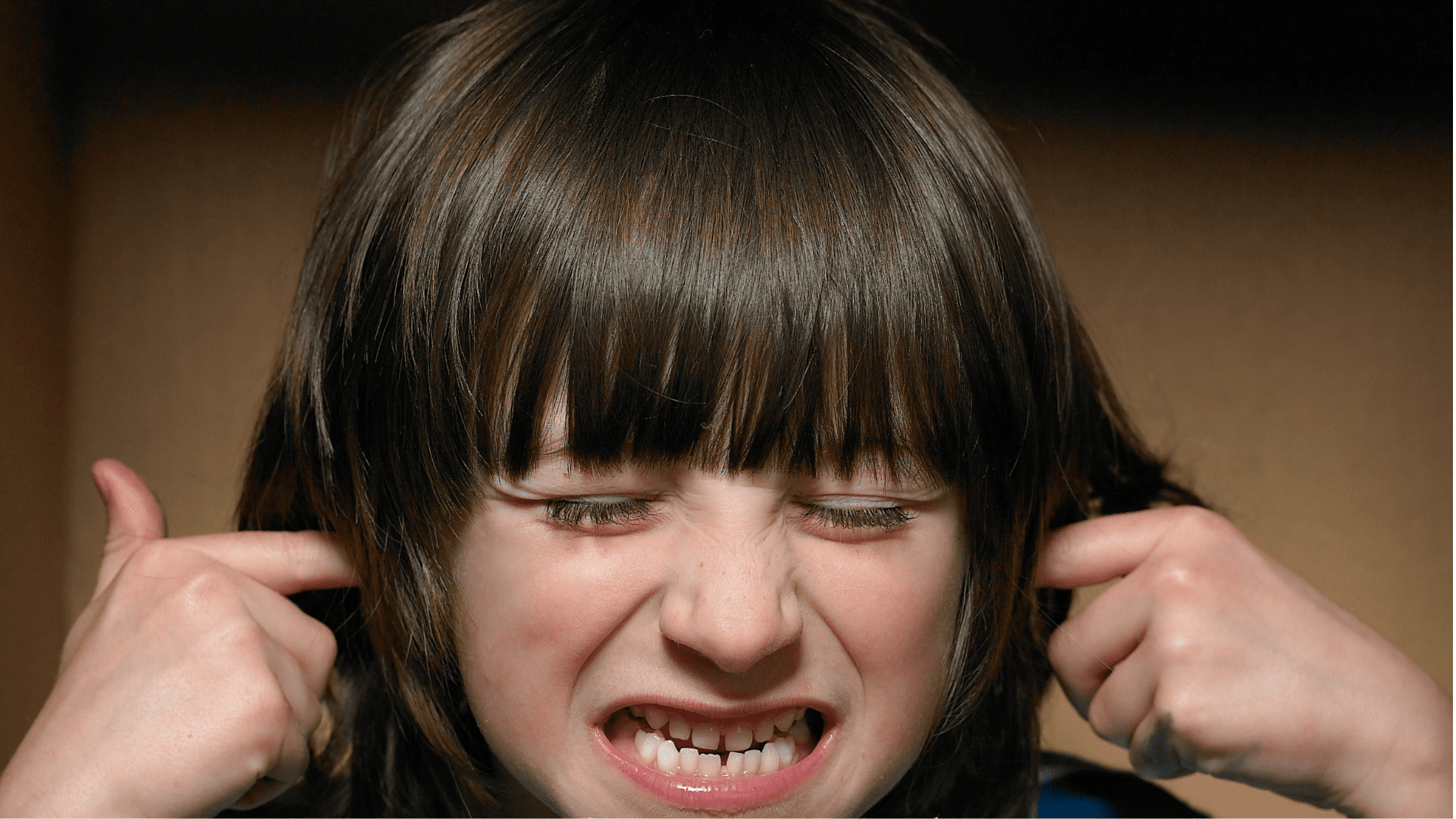
Exposure to domestic violence can affect children in both the short and long term, with effects similar to those of direct abuse.
Immediate Signs Might Include:
- Anxiety, fearfulness, or emotional withdrawal
- Aggression, acting out, or difficulty concentrating
- Sleep problems, nightmares, or regressive behaviors like bedwetting
- Clinginess or sudden changes in appetite
Longer-Term Risks Include:
- Higher chances of depression, anxiety, or post-traumatic stress
- Challenges in school and relationships
- Increased likelihood of entering (or perpetrating) abusive relationships as adults
- Physical health issues stemming from chronic stress
According to the Office on Women’s Health, boys who witness violence against their mothers are 10 times more likely to abuse partners later in life. Girls face elevated risks of victimization. The trauma can even affect brain development, influencing learning, behavior, and emotional regulation for years.
How to Break the Cycle and Protect Children
If you or someone you know is living with domestic violence, Vaughan says:
- Put safety first. Develop a safety plan that includes the children. This might mean reaching out to trusted friends, family, or professionals for support.
- Seek help early. Counseling, support groups, and legal resources can help adults address the violence and model healthier patterns for kids.
- Reassure children. Use age-appropriate language to let them know the violence is not their fault and that adults are working to keep them safe.
- Teach healthy relationships. Show (and tell) children that respect, kindness, and non-violence are the foundation of strong families.
For teachers, relatives, neighbors, or professionals, Vaughan advises, “Learn the signs of both domestic violence and its effects on children. If you suspect a child is being harmed, directly or through exposure to domestic violence, report it immediately. Contact your local Child Protective Services (CPS), local law enforcement, or call the Childhelp National Child Abuse Hotline at 1-800-4-A-CHILD. The hotline can connect you to the appropriate local agency. Early intervention can provide much needed support and resources and make a life-changing difference.”
Childhelp has been preventing and treating child abuse for decades. The Childhelp Speak Up Be Safe program equips children with the knowledge and confidence to recognize unsafe situations and speak up.
If you’re concerned about a child:
- Call, text, or chat the Childhelp National Child Abuse Hotline: 1-800-4-A-CHILD (1-800-422-4453), available 24/7, confidential, and multilingual.
- Visit childhelp.org for more resources on identifying abuse, prevention strategies, and healing support.