As parents and caregivers, we all want our children to grow up feeling confident, respected, and safe. But knowing how to introduce topics like body autonomy, consent, personal boundaries, emotions, and abuse prevention isn’t always easy.
The good news? You don’t have to have all the answers.
Reading together is one of the simplest and most effective ways to begin these conversations. Stories create natural opportunities for children to ask questions, express feelings, and learn that they can always turn to trusted adults.
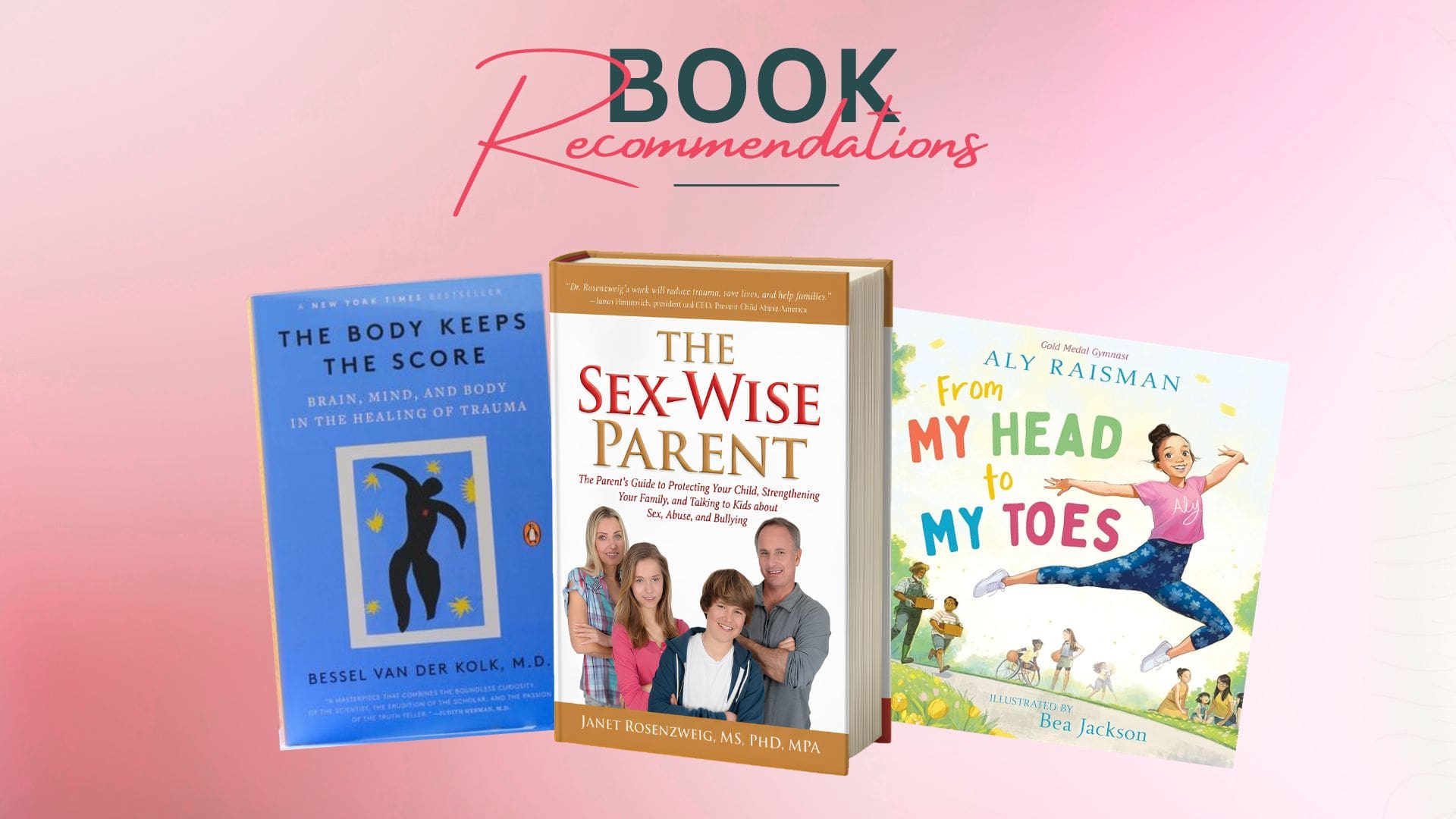
We asked Childhelp’s prevention education and clinical leaders to share the books they recommend most often to families. Whether you’re building your home library or looking for your next bedtime story, these expert picks can help create meaningful conversations long after the last page is turned.
Parent Picks
📚 Expert Pick
Dr. Stacy Vaughan, VP of Growth and Prevention
 Recommended Read: The Sex-Wise Parent: The Parent’s Guide to Protecting Your Child, Strengthening Your Family, and Talking to Kids About Sex, Abuse, and Bullying
Why Dr. Vaughan recommends it: “This book gives parents practical language and confidence to discuss topics that many adults never learned how to talk about themselves. It helps create open communication before children ever need it.”
Best for: Parents of elementary-age children through teens.
📚 Expert Pick
Meghan Steel, Director of Relative Caregiver Program
 Recommended Read: The Body Keeps the Score
Why Meghan recommends it: Trauma affects more than our memories. It impacts how our brains and bodies respond to the world. This bestselling resource helps caregivers understand trauma, resilience, and healing so they can better support children who have experienced adversity.
Best for: Parents, caregivers, educators, and professionals.
📚 Expert Pick
Meghan Hunley, Clinical Supervisor
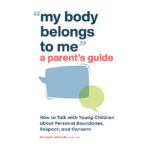 Recommended Read: My Body Belongs to Me: A Parent’s Guide: How to Talk with Young Children About Personal Boundaries, Respect, and Consent
Why Meghan recommends it: This guide provides age-appropriate ways to discuss body safety and consent, helping parents build these conversations into everyday life instead of waiting for “the big talk.”
Best for: Parents of preschool and elementary-age children.
Kids’ Corner
📚 Expert Picks
Vonda McGill, Director of Clinical Services
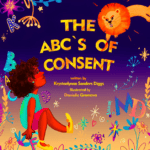
Introduces consent through everyday situations using simple language children can understand.
Recommended Age: 3–8
Where Hands Go: An Introduction to Safe and Unsafe Touch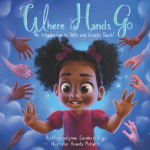
Helps children understand body safety, trusted adults, and safe versus unsafe touch.
Recommended Age: 3–8
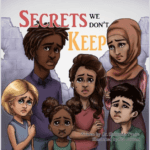
Explains the difference between safe surprises and unsafe secrets while encouraging children to speak up.
Recommended Age: 4–9
📚 Expert Pick
Meghan Steel, Director of Relative Caregiver Program
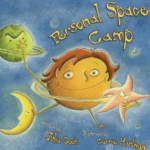 Personal Space Camp
A playful story that teaches children about respecting personal space, social cues, and healthy boundaries.
Recommended Age: 4–8
📚 Expert Pick
Meghan Hunley, Clinical Supervisor
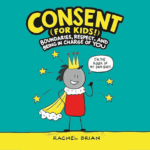
Shows children that consent isn’t just about safety—it’s about kindness, respect, and everyday choices.
Recommended Age: 5–10
📚 Expert Pick
Ken McKinley, Executive Director of the Children’s Advocacy Center
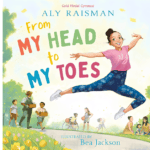
Written by Olympic gold medalist Aly Raisman, this story encourages children to trust their instincts, honor their feelings, and seek help from trusted adults when something doesn’t feel right.
Recommended Age: 4–9
You don’t need to read every book cover to cover in one sitting. Even a few pages can spark meaningful conversations about feelings, boundaries, and safety.