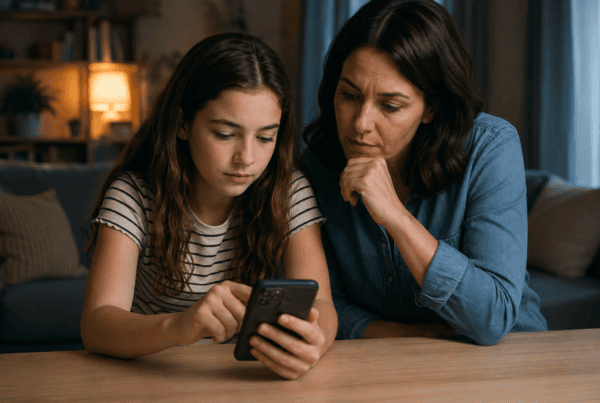

It’s normal for children to feel worried sometimes. Whether it’s the first day of school, a doctor’s appointment, making new friends, or changes at home, anxiety is a natural response to uncertainty. But when worries become overwhelming or begin interfering with daily life, children need caring adults who can help them understand and manage those feelings.
The good news? Anxiety is manageable. With patience, consistency, and the right support, caregivers can help children develop healthy coping skills.
What Does Anxiety Look Like in Children?
Children don’t always have the words to explain what they’re feeling. Instead, anxiety often shows up through behaviors or physical symptoms.
Some common signs include:
- Frequent stomachaches or headaches without a medical cause
- Difficulty sleeping or nightmares
- Excessive worrying about everyday situations
- Avoiding school, activities, or social events
- Irritability or frequent meltdowns
- Trouble concentrating
- Seeking constant reassurance
- Clinginess or fear of being separated from caregivers
Every child experiences anxiety differently, so it’s important to look for changes in behavior rather than expecting the same signs in every child.
Validate Their Feelings
When children express fears, our instinct is often to reassure them by saying, “There’s nothing to worry about.”
While well-intentioned, this can unintentionally make children feel like their emotions are being dismissed.
Instead, try validating their experience:
- “That sounds really scary.”
- “I can see why you’re feeling worried.”
- “It’s okay to feel nervous sometimes.”
Validation doesn’t reinforce anxiety. It lets children know they’re safe sharing their feelings with you.
Teach Simple Coping Skills
Children benefit from having concrete tools they can use when anxiety starts to build. Some strategies include:
Deep Breathing: Practice taking slow breaths together. A simple technique is to inhale for four counts and exhale for four counts. Younger children may enjoy pretending they’re blowing bubbles or slowly blowing out birthday candles.
Grounding Exercises: Help children reconnect with the present by asking them to notice:
- Five things they can see
- Four things they can touch
- Three things they can hear
- Two things they can smell
- One thing they can taste
This exercise can reduce racing thoughts and help calm the nervous system.
Movement: Physical activity helps release built-up stress. Taking a walk, dancing in the living room, stretching, or playing outside can all help reduce anxious energy.
Keep Routines Predictable
Children often feel safer when they know what to expect. Regular routines for meals, homework, bedtime, and family activities create a sense of stability, especially during stressful periods or major life changes.
If a routine must change, giving children advance notice can help reduce uncertainty.
Help Children Name Their Feelings
Young children often struggle to identify emotions. Use everyday moments to build emotional vocabulary:
- “You seem frustrated.”
- “Are you feeling nervous?”
- “It looks like you’re disappointed.”
Books, emotion charts, and conversations during calm moments can help children become more comfortable recognizing and expressing their emotions.
Model Healthy Ways to Handle Stress
Children learn by watching the adults around them. When caregivers demonstrate healthy coping skills (taking deep breaths, talking about feelings, solving problems calmly, asking for help when needed, etc.), children learn that managing stress is possible.
It’s okay for children to see adults experience emotions. What matters most is showing them healthy ways to cope.
Limit Anxiety Triggers
While it’s impossible to eliminate all stress, reducing unnecessary anxiety triggers can help.
Consider:
- Limiting exposure to distressing news
- Monitoring social media use for older children
- Creating calm spaces at home
- Encouraging breaks from screens
- Prioritizing sleep, healthy meals, and physical activity
Encourage Brave Steps
It’s natural to want to protect children from situations that make them anxious. However, avoiding every uncomfortable experience can actually strengthen anxiety over time.
Instead, encourage small, manageable steps.
For example, if a child is nervous about attending a birthday party, you might first drive by the location, then stay together for a few minutes, gradually increasing their comfort over time. Celebrate effort — not perfection.
Know When to Seek Additional Support
If anxiety lasts for several weeks, becomes more intense, or interferes with school, friendships, family life, or daily activities, it may be time to seek professional support.
Talking with a pediatrician, school counselor, or licensed mental health professional can help identify appropriate treatment and provide children with additional coping tools.
Seeking help is a sign of strength.
Creating a Safe Space
Perhaps the most powerful thing caregivers can offer is emotional safety.
When children know they can talk openly about their worries without fear of judgment, they learn that difficult emotions don’t have to be faced alone.
If you’re concerned about a child’s emotional well-being or safety, remember that support is available. Call, text, or chat the Childhelp National Child Abuse Hotline.