At Childhelp, we know how difficult it can be when a child trusts you enough to share that they are being abused. Your response in that moment can make a powerful difference in their healing and safety. Children rarely lie about abuse, but they often disclose indirectly or through hints because they are scared or unsure how you will react. This step-by-step guide, based on Childhelp’s expertise and resources, will help you respond with care, protect the child, and take the right actions. Remember: You have a responsibility as an adult to keep children safe.
Step 1: Stay Calm and Create a Safe Space
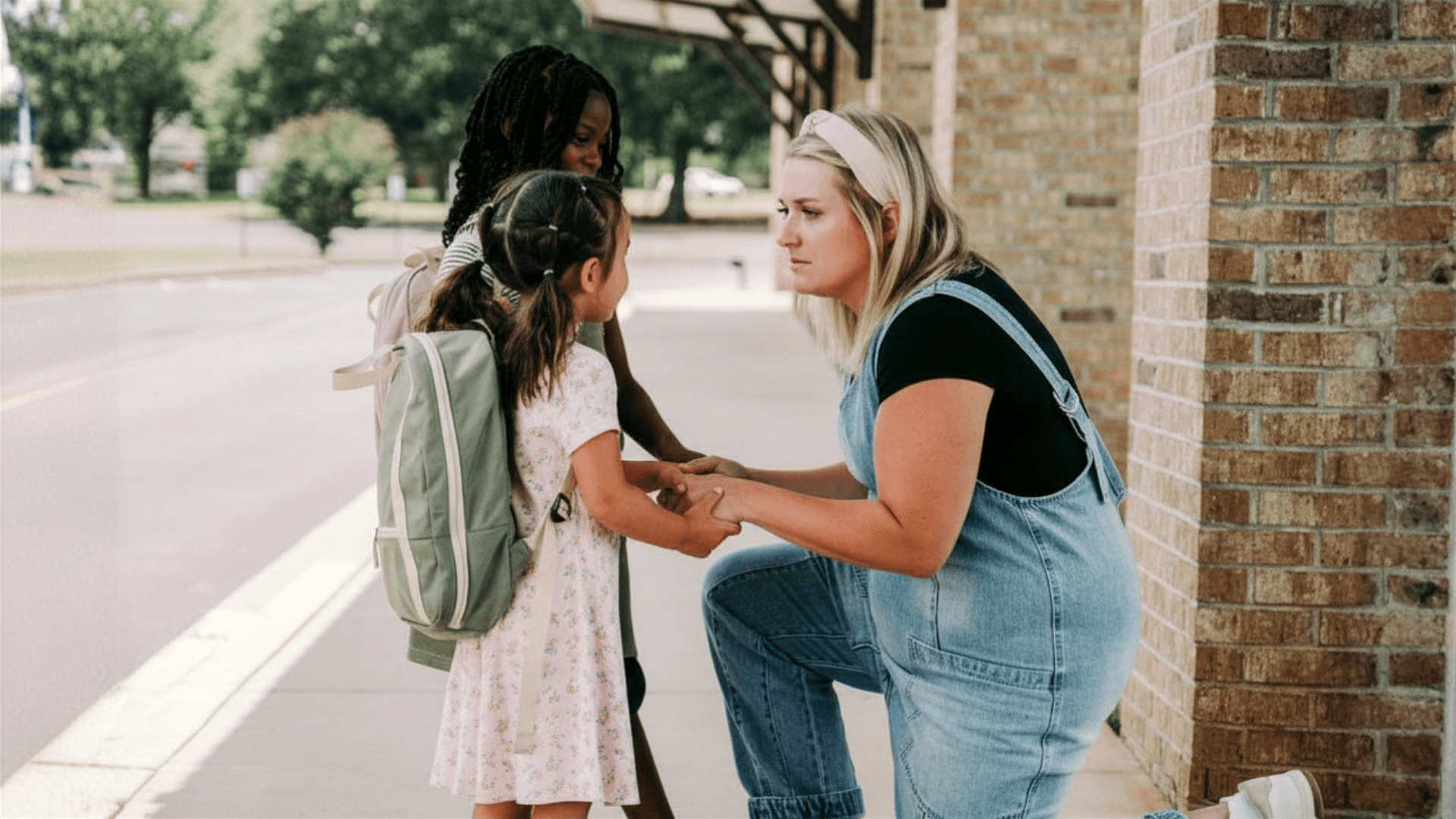
- Remain calm. Your initial reaction might be shock, anger, or disbelief — that’s normal. But showing strong emotions like horror or rage can make the child shut down or feel they’re to blame.
- Provide a confidential and comfortable environment. Ensure the conversation is private so the child feels safe opening up.
- Acknowledge their courage. Say something like, “I’m so glad you told me. That took so much bravery.”
What to Avoid: Do not deny what they’re saying, interrupt them, or show panic. Your steady presence helps them feel supported.
Step 2: Believe the Child and Reassure Them
- Believe what the child is telling you. Children don’t typically fabricate stories of abuse. Let them know you believe them and that they did the right thing by speaking up.
- Reassure them clearly: “This is not your fault. You did nothing wrong. I’m here to help keep you safe.”
- Listen more than talk. Let the child use their own words and set the pace. Do not pressure them or fill in gaps.
What to Avoid: Do not ask leading or suggestive questions (e.g., “Did your uncle do this?” or “Were you at school when it happened?”). This can confuse the child or affect later investigations. And don’t make promises you can’t keep, such as “I won’t tell anyone.” Instead, explain that you will get them help while protecting them as much as possible.
Step 3: Avoid Common Mistakes
- Do not interrogate the child or ask for excessive details. Professionals (like CPS, law enforcement, or forensic interviewers) are trained to gather evidence without re-traumatizing the child.
- Do not blame or question the child’s actions (e.g., “Why didn’t you tell me sooner?” or “What were you doing there?”).
- Do not discuss the disclosure with people who don’t need to know. Keep the information limited to those who can protect the child.
- Document exact quotes from the child, if possible (for your records when reporting), but don’t pressure the child during the conversation.
Step 4: Report the Abuse Immediately
Reporting is one of the most important steps you can take to protect the child. You do not need to prove the abuse — reasonable suspicion is enough. Child protective services and law enforcement will investigate.
- Call, text, or chat the Childhelp National Child Abuse Hotline at 1-800-4-A-CHILD (1-800-422-4453). It’s available 24/7, 365 days a year, in more than 240 languages. Professional counselors can guide you through next steps, provide emotional support, and help you understand the reporting process in your area.
- If there is immediate danger, call 911 right away.
- In most states, certain professionals (teachers, doctors, etc.) are mandated reporters, but anyone can and should report suspected abuse. Your identifying information is confidential.
Step 5: Support the Child Moving Forward
- Continue to reassure the child that they are loved and safe.
- Follow up with professional help. Many communities have children’s advocacy centers that provide coordinated medial, mental health, and law enforcement support in a child-friendly setting.
- If you’re a parent or caregiver, seek support for yourself, too. The Childhelp National Child Abuse Hotline can connect you with resources in your area.
Healing is possible with the right support. Children whose caregivers respond with belief and protection often recover more fully from the trauma of abuse. Every disclosure is an opportunity to protect a child. Thank you for taking action.